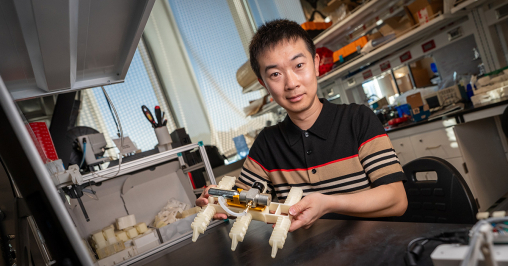
Sending Microbes to Space Could Improve Astronaut Health
Health & BehaviorUC San Diego researchers have created a map of the microbes aboard the International Space Station; results could improve astronaut safety.
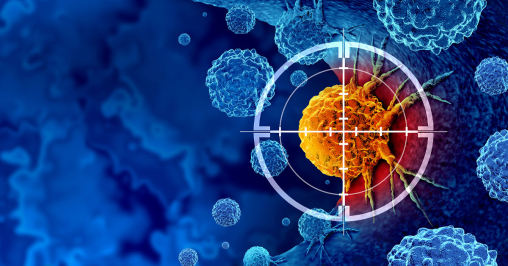
A groundbreaking discovery published in Nature Immunology has shed light on why the immune system is less aggressive toward self-antigens, offering new opportunities to enhance cancer immunotherapy.
UC San Diego researchers have created a map of the microbes aboard the International Space Station; results could improve astronaut safety.
From redefining precision surgery to advancing non-opioid pain treatments, this year’s winners of the Chancellor’s Innovation Awards embody UC San Diego’s relentless pursuit of transformative breakthroughs.
After leaving Ukraine following the Russian invasion, Oleksandr Sharlai was determined to continue his dream of becoming an MD/Ph.D. studying the human brain. During his CADRE internship, he worked in the lab of Christine Smith, Ph.D., investigating amnesia in patients with traumatic brain injuries.
After discovering a love of anatomy in high school, Alec Guerra was inspired to become a doctor. Through his CADRE internship in the lab of Sara Gianella, MD, he participated in several autopsies as part of ongoing research investigating how HIV persists in tissues throughout the human body.
National Geographic, March 26
ABC News, March 26
CNBC, March 24
USA Today, March 23
Sports Illustrated, March 21
National Geographic, March 20
Take a deeper look into the remarkable stories of our changemakers and community-builders, our cutting-edge research, and the global influence of UC San Diego.
From exciting athletics programs and campus events, to our latest contributions to cutting-edge research—UC San Diego is a vibrant community of creators and innovators, making a positive impact both in San Diego and beyond.
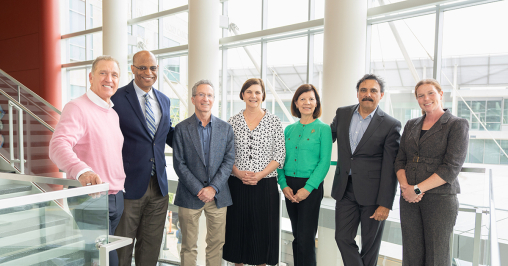
Three University of California San Diego researchers have been elected 2024 Fellows of the American Association for the Advancement of Science (AAAS), one of the world’s largest general scientific organizations.
During the most recent Equity in Mental Health series workshop, UC San Diego staff and faculty were challenged to reimagine how they foster safety, trust and empowerment in student interactions—and with each other.
Each summer between their first and second years of medical school, students are encouraged to seek out research opportunities to expand their experience and knowledge base. More than 100 medical and pharmacy students shared their research posters at the Summer Research Symposium.
“Being part of something that's bigger than yourself is, in my opinion, the best way to go through this life and gives you a lot of purpose every day.”
“This is a complex ecosystem, and if political leaders don’t understand it, they can do major damage when trying to adjust it. ”
“GenAI is changing the landscape of research and education, and we are very proud to be part of this revolution. ”
Have an event to add to the UC San Diego Event Calendar? If you are a UC San Diego affiliate you can submit an event
Keep up with all the latest from UC San Diego. Subscribe to the newsletter today.